
Anti-Fatigue Mats Aren't Optional
The thing that keeps you using the desk in months 2 through 12.
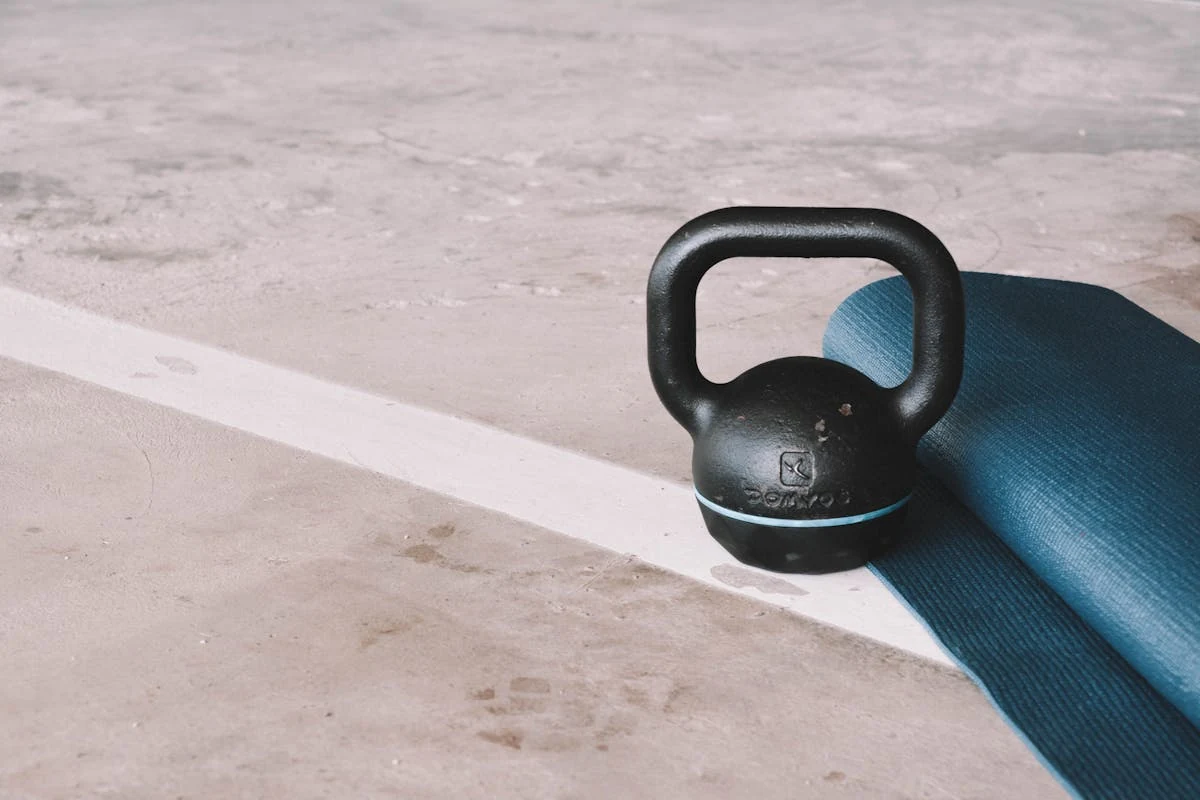
Of all the accessory categories you'll be tempted to skip, the anti-fatigue mat is the one to keep. People who quit standing desks almost universally describe foot pain as the gateway. People who don't quit almost universally have a mat. The correlation is high enough to treat as causal.
Why hard floors are punishing
Standing on a flat hard surface — concrete subfloor, hardwood, tile — is one of the worst things you can ask your foot to do for sustained periods. The foot is built for varied terrain. On rocks and dirt and uneven ground, the 33 joints in your foot are constantly making small adjustments, the intrinsic muscles are firing in different patterns, and weight loads transfer continuously across different bones and tissue. That variation is what keeps the system alive.
On a flat hard floor, none of that happens. The same plantar tissue is loaded the same way for hours. The intrinsic foot muscles don't get recruited because the floor isn't doing anything that needs stabilizing against. The plantar fascia takes peak load on the same fibers, repeatedly, with no relief.
The result, after enough hours: foot fatigue, then plantar fascia strain, then over time arch collapse and heel pain. This is why factory workers and supermarket cashiers show elevated rates of foot disorders. Their problem isn't that they're standing; it's that they're standing on the wrong surface.
Why mats help (and why the right kind helps a lot more)
Two things happen when you replace hard floor with a good mat:
- Cushioning reduces peak loading. Soft surfaces deform under your weight, spreading the force over more of the foot and reducing the pressure on any one tissue area.
- Soft surfaces make you move. When the ground gives a little, your body has to balance against it. Constant micro-balancing engages the calf, the foot intrinsics, and the postural stabilizers — the same muscles that fail when you stand on a hard flat floor. The calf pump kicks on. Blood doesn't pool. Tissue doesn't fatigue as fast.
That second mechanism — the constant subtle movement — is the bigger effect. And it's what separates a flat foam mat (some help) from a contoured one (a lot of help).
Contoured beats flat
A flat anti-fatigue mat reduces peak loading. A contoured mat does that and actively encourages weight-shifting because it has features — bumps, edges, ridges, slopes — that invite your feet to move around. You step on a high spot, the foot adjusts; you shift to a low spot, different muscles take over. The mat creates the cue. You don't have to remember to move.
Ergodriven's Topo is the canonical example, and the development story is worth knowing: the team set up GoPros in standing-desk users' offices to see how people actually moved, then iterated through hundreds of foam molds to find the terrain that maximized natural weight-shift while still being stable enough to type on. That's why the bumps are where they are. They're not aesthetic; they're calibrated.
What to look for in a mat
- Polyurethane foam, not gel. Gel mats feel great for two weeks, then go flat permanently. PU foam keeps its shape and rebound for years.
- At least 3/4 inch thick at the standing-area high points. Anything thinner and the cushioning effect collapses under sustained weight.
- Contoured, not flat. Bevels, bumps, slopes — the more variation, the more your feet move on it.
- Big enough for a T-stance. You want room to splay your feet wider than shoulder-width. A 24×30 mat is comfortable. Smaller mats force you into a narrower stance, which fatigues faster.
- Beveled edges. So you don't trip on it leaving the standing zone, and so a chair caster doesn't catch when you roll back to sit.
What not to fall for
- $20 flat foam. Great for the first three weeks, dead flat by month three.
- "Massage" mats with hard knobs or bumps. Designed to feel therapeutic. They're uncomfortable for actual sustained standing.
- Wooden mats. Visually appealing. Mechanically they're a hard flat surface with extra steps.
- $300+ "premium" mats. The marginal benefit over a $90 contoured mat is small. The marginal benefit of any good mat over no mat is enormous. Don't over-spend; just buy one.
Setup notes
Position the mat slightly forward of the front edge of the desk so your toes can curl over the front of it. Don't put it under a chair — anti-fatigue mats are not designed for caster wheels and the chair will lurch sideways. If you switch between sitting and standing frequently, slide the mat in and out of position rather than rolling over it.
Match the mat to your shoes-or-no-shoes situation. If you stand barefoot or in socks, you want softer material and a smaller pattern. If you stand in trainers, almost anything works.
The math on cost
A good contoured mat runs $80–$120 and lasts 5+ years of daily use. Plantar fasciitis, untreated, runs into the thousands in PT and the long-tail of changed exercise habits. The economics are not subtle.
Buy the mat. It's not optional.
